
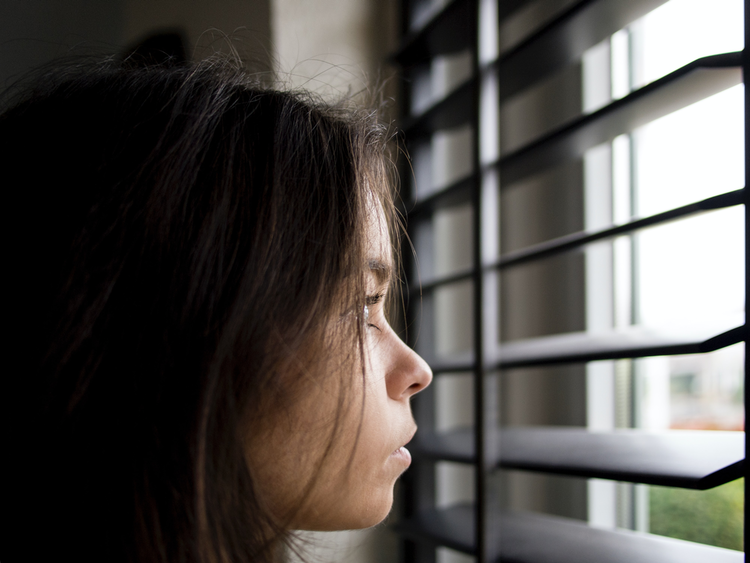
The Pandemic Dulled Our Intuition
The Covid lockdown caused us to lose touch with our intuition, making it difficult for us to discern it from outside inputs and pressures.
The Covid lockdown did more than just deprive us of crucial social interactions. It also dulled our innate intuition. Normally, we experience our intuition as an inner sense of knowing and understanding.
Interpersonally, it encompasses empathy and extends beyond it, enabling us to interact with others because we have a sense of what they are going through, what they need, what they want, and how their feelings in the moment can be dealt with most effectively.
Beyond the interpersonal, intuition also enables us to understand ourselves and our relationship to the world with clarity and self-confidence. Our intuitive response to world events and to professional situations enables us to act effectively without a laborious process of analysis.
In the same way, intuition can guide critical thinking. When our intuition is sharp, it is easier for us to disregard the absurd and direct our attention to the real.
Intuition also keeps us on track, helping us align our behavior with our values. Exactly how it arises is not clearly understood. We have neurons in our heads, neurons in our hearts, and neurons laced throughout out guts, creating our awareness in fantastically complex ways. Somehow the balance of all these inputs emerges in our conscious mind as our intuition.
Strengthening our ability to discern our own intuition can help us overcome a wide range of psychological maladies. The Covid lockdown did the exact opposite. It caused people to lose touch with their intuition, making it difficult for them to discern it from outside inputs and pressures.
I see this confusion in my practice daily, and helping people “get back in touch with themselves” is a cornerstone of the treatment we need these days.
The Disruption of Common Sense
The pandemic shattered the normal rhythm of life, creating an environment of uncertainty and fear. This was vastly exacerbated by the continuous influx of misinformation that dominated the media.
To give one prominent example, the anti-malarial drug hydroxychloroquine was presented as a cure, a ridiculous claim that the peer-reviewed journal Biomedicine & Pharmacotherapy has linked to approximately 17,000 deaths.
Yet during the pandemic, the scarcity of this useless substance significantly heightened people’s legitimate fears of the contagion. People were led to believe that a cure was available but was being withheld by evildoers in government.
Once the media repeated that claim enough times, people were ready to believe practically anything. When vaccines became available, people couldn’t marvel at the speed with which this was accomplished. Instead, at one point, fully 20% of Americans believed that the vaccine contained a microchip that would serve the purposes of the same evildoers.
The first example shows how disinformation during the lockdown drove people so far into fear that it compromised their intuition. The second example shows how their hobbled intuition deprived them of basic critical thinking.
The government’s behavior hardly provided guidance. People legitimately questioned the wisdom of the lockdown itself. It often seemed like more of a power play than a public health policy. Enforcement had the eerie aura of a police state run amok.
History has provided credence to these beliefs: analysts estimate that the lockdown reduced the mortality rate by somewhere between 2% and 10%. At the same time, according to the Wall Street Journal, 200,000 small businesses folded in the first year alone. The World Bank determined that the lockdown’s vast economic impact landed hardest on the middle and lower classes, and it significantly widened the wealth gap.
Meanwhile, government policies often defied common sense. In Pennsylvania and many other states, for example, parks and gyms, along with restaurants, workplaces and places of worship, were shut down. Liquor stores, however, stayed open. (I discuss the devastating impact of this in other articles – please subscribe.)
When leaders made decisions like these, impacting hundreds of millions of people, individuals questioned their own intuitive beliefs about what should be done and what they should do as individuals. The anxiety and self-doubt stemming from this disruption were not indicators of personal failure but rather a natural response to unprecedented circumstances. This led to confusion, nihilism, and desperation.
No wonder people were ready to believe the microchip story. Their intuition had been pummeled to a pulp.
Intuition Has Not Recovered
We have not yet overcome these impacts.
Slowing our ability to do so is the new hybrid work environment, which keeps people in lockdown-like states of isolation. Without ongoing interaction with others in the workplace as well as in our communities, people don’t get to practice interpreting the intangible clues that develop intuition.
Without these in-person interactions, many people found it harder to read and relate to others. While some, particularly those with heightened intuitive abilities, could still sense these cues online, the majority struggled. This lack of socialization also meant missing out on unconscious learning, the kind that happens naturally in social environments.
The intellect attempts to fill in the gaps with analysis and probabilities, which are poor substitutes at best. The absence of these experiences left people feeling disconnected from their own body language and intuitive abilities. Consequently, expressing oneself skillfully became more challenging, often without an obvious reason. This gap in social training undermined our ability to understand and trust our intuition.

Finding Intuition
When my clients wonder what they can do to reignite their intuition, my first advice is the most obvious: scroll less, and get out more. This is easier said than done. Given our app-centric culture, even going out seems like it needs to begin with an online interaction.
Many people believe that if they are going to do something–anything–it has to have a purpose. The apps reinforce this. Even ones like MeetUp that were designed to get people together in the real world end up giving us the impression that a gathering needs to have a theme, or that the only people we should meet are those who share a common interest.
Going out without a plan is the invigorating adventure we all need to hone our intuitive skills and lead richer lives. Being open to random encounters opens our hearts and our eyes in new ways. We can find these interactions anywhere, from the laundromat to a hiking trail.
The main point is to get outside and look around. Many people are beginning to tire of the phone’s dominance over our consciousness. Look for those people, and become one of them. Train yourself to remain in the present when you are with others, no matter how many times your phone buzzes, and when someone with you relents and looks at their phone, don’t get yours out – wait until they return to you.
The lockdown had a profound impact on our interpersonal abilities, and it's important to realize that your weakened intuition and inexperience with authentic interactions is not your fault. You didn’t do anything “wrong.” It’s not because you have some innate weakness that you struggle with feelings of loneliness.
The cure is simple, which makes it difficult. Your intuition revives when you open yourself to the unknown. The unknown can be shaped into something pleasant simply by smiling. Respond to people without judgment.
If you have time to scroll, you have time to have a random conversation with a stranger. The stranger will do you a lot more good.

Post-Covid, Management Has Changed Forever
Whatever one might think of the old-fashioned 9-to-5 grind at the workplace, it had one significant advantage for social animals like us: it required us to be together and to work together, face-to-face. Post-Covid, we have lost that.
Whatever one might think of the old-fashioned 9-to-5 grind at the workplace, it had one significant advantage for social animals like us: it required us to be together and to work together, face-to-face.
Post-Covid, we have lost that. Pew Research determined that:
44% of all workers work at home sometimes.
65% of college graduates work from home.
53% of high-income earners work from home.
Working from home isolates us, and white it is certainly freeing to not need to go to the office every day, I treat many people who suffer mightily because they no longer have the social interactions that work thrust upon them.

Most people seem to prefer the new way; people want flexibility to manage their personal and professional lives. LinkedIn calls it the “Great Reshuffle,” where employees rethink their career paths and job priorities. Money still talks, but for some, meaningful work, a supportive culture, and opportunities for growth talk louder. Work-life balance takes precedence.
Post-Covid Hybrid Workplaces Isolate Us
This seems positive at first glance, but the actual impact, as I’ve seen in my practice, is to isolate people.
MIT found that people who are in a room together will synch up their brainwaves as part of their collaborative interactions. They have a lot of information about the other person that doesn’t come in the form of language. They can continuously monitor their facial expressions, their body language, and they are unconsciously aware of the phonemes produced by the other person’s brain hormones. That rich well of sensory perception has always been a crucial aspect of socialization, and it’s lost in online meetings.
People’s mental health suffers for its absence. I see this clearly in my practice. It affects everyone, but it is especially hard on young people who lost crucial developmental years to the Covid lockdown, and people who have always had a hard time socially. It’s also very hard on people who live in difficult situations or who have toxic relationships in their home environments. Even with healthy relationships at home, being stuck with the same people for too much time can become dangerously repetitive.
People try to focus entirely on the job and the money, and as a coping mechanism that’s pretty constructive, but ultimately the lack of in-person social interaction starts to hurt. The lack of social variety deadens us. So does the lack of new social challenges.
While the 9-to-5 might have been a grind, it also gave us consistent periods of sustained social interaction. When a person’s only social interaction in a day is limited to two or three Zoom meetings, where they can put on whatever act is needed, they miss out on the formative, demanding sort of social skills that were used routinely in an in-person workplace.
The Dark Side of Hybrid Workplaces
The workplace is going through an evolution similar to the one that much of humanity went through with the advent of social media. At first, social media seemed awesome. But then its dark side reared its ugly head. Bullying, astonishing negativity, and outright cruelty blossomed when people knew they would never have to deal with their victims in the flesh.
In the same way that the anonymity of social media enabled people to show their worst selves, virtual meetings and a lack of social interaction has freed people to show their worst selves in the real world, too. Workplace violence is on the rise. I have worked with clients who were sent to online courses teaching them how to defend themselves if a meeting erupted in violence. That would only happen between people who were not properly socialized.
Other employers, who I know through my clients, have taken a traditional path that is fraught with danger. They attempt to create camaraderie by normalizing heavy alcohol use. Employees are invited to parties, some of them online, where drinking will be a big part of “breaking the ice.” Cliques of employees will “pregame” these get together by holding a private party beforehand where they begin drinking. Many people now consider “day drinking” normal behavior, sometimes beginning their daily intake not long after breakfast, and often in the confidence of co-workers.
People have used alcohol to bond for millennia, and while it may have its role, what I’m seeing far exceeds any normal use. The benchmark for moderation used to be one, maybe two drinks a day, but now your second drink is just one of your “pregame” drinks.
The pressure to conform is overwhelming, especially considering the fact that these parties are among the few social opportunities many people have. There’s pressure to be “on the team,” and your ability to drink seems to have a direct impact on your upward mobility within the company. Alcohol abuse will make the overall situation worse, depriving people of the ability to cope, depriving them of authentic friendships, and throwing open the door for violent escalations.

No Simple Solution, But a Universal Truth
Today’s corporate leaders are the first ones who have to deal with a hybrid workplace. There is no simple solution.
Loosening the rules by bringing alcohol into online meetings in an effort to overcome the limitations of Zoom is not necessarily an evil thing to do.
Pew found that the need for mental health services in the workplace has increased since Covid, and some employers try to be helpful by de-stigmatizing mental health needs and offering therapy to their employees. But offering therapy to stressed employees is not necessarily a cure-all.
Ultimately, what matters most is the quality of leadership a company can deliver. People don’t want the “impression” that they’re having fun, or the “impression” that they are making friends. They want fun and friends. An employer can’t generate that for them. But an employer can make sure that the social interactions that take place at work have the ring of high quality.
It’s best if they set an example themselves, but their most important example doesn’t come from how much they drink or how they attend a Zoom meeting. The most important thing leadership can bring to the table is a sense of purpose. When people can align around a purpose, it is far more likely that they will have healthier social interactions.
A shared sense of purpose creates teamwork that is professionally, personally and emotionally satisfying. When real teamwork arises, people are able to bond in ways that are truly healthy.
The companies I told you about that encourage drinking are ones that pit employees against each other, and ones that are wholly focused on greed. Few companies fall into those categories, so I think that most leadership teams can accomplish a great deal by imparting a sense of purpose to their employees.

A Trauma-Focused Approach to Addiction
The path to recovery is deeply personal and fraught with challenges, and it is best if you find assistance. Since addiction is so personal, for some people having an advocate outside their social circle can be transformative.
With over two decades of expertise in trauma-informed therapy, I have witnessed firsthand the perilous path people take from addiction to recovery. I’ve worked with high-functioning addicts and addicts whose lives seem irrevocably damaged by dependency.
The path to recovery is deeply personal and fraught with challenges, and it is best if you find assistance. Since addiction is so personal, for some people having an advocate outside their social circle can be transformative. This is especially true for people whose substance use is rooted in trauma.
I've seen how unresolved emotional pain and traumatic experiences lead to dependency. Unfortunately, many of my clients were prescribed mind-altering drugs when they were children, so the establishment essentially taught them that the solution to life’s problems was to take drugs. That unto itself is a traumatic experience. It should come as no surprise when a child who endured such treatment self-prescribes drugs at a later time in their life.
Drugs also provide what seems like escape, at least in the immediate moment. When trauma goes deep and its impacts are ever-present—intellectually, emotionally, instinctively or all three at once—simply silencing it with drugs appeals to us all. Even when our common sense clearly perceives that drug abuse makes our situation worse, we abuse drugs anyway, for the illusion of escape.
Highly relevant is how the media and entertainment industry push drugs on us constantly, making them seem like an inevitable part of any social interaction. Movie characters, series characters, top YouTubers, celebrities, everyone holds a drink. Corporations, strangely, are now incorporating drinking into their cultures Mad Men style.
I’ve had clients who felt pressured to “pregame” drink with work associates online, before meeting up for a corporate event, where they drank even more. How do you navigate that sober? There’s no simple answer, so having someone who understands the nuances of your situation can help a great deal.
Ultimately, addiction shifts the individual from a state of searching for relief to a state of “employment” to their addiction, where acquiring, using and concealing the drug consumes a greater and greater portion of the addict’s waking hours. Daily activities revolve around when to dose, and at any moment, that “when” could splatter into “all the time,” splattering you along with it.

Addiction Is Complex, So Recovery Must Be Multifaceted
There is only one universal truth that applies to everyone: at any moment, a person in the grips of addiction can choose to shift directions. An excellent first step is reaching out for help that can guide you personally.
Turning to a person outside of our regular social circles, someone we know is trustworthy who provides professional guidance, throws open the windows of the mind.
Addressing the traumas underlying our drug use enables us to transition out of addiction, and to embrace a sober way of being. That path will be utterly unique for every person, and sharing it helps us transform with more and more purpose.
That path will also be full of the potential for renewal. Recovery enables us to look to the horizon with fresh eyes. A person in recovery can easily drop into a negative spiral. Having someone to remind them of this open-window, long-view perspective can contribute greatly to their transformation.
Recovery allows us to discover our true selves. It opens us to possibilities beyond the boundaries that drug use imposes upon us.
Maintaining Long-Term Sobriety
Sustainable sobriety is not about being sober. It’s about an attraction to a far more capable way of mind. Sustainable sobriety is not about self-discipline, either. There is no part of us chaffing to get back to the drug. We have left it in the past. We become a new version of ourselves.
Getting to the root causes of our addictions provides a solid, sustainable path out of them. One-on-one conversations can progress it steadily and confidently, allowing for our uniqueness and encouraging our self-discovery.
National Helpline (SAMHSA): 1-800-662-HELP (4357)

How Covid-19, Celebrities, and Algorithms Fuelled a Rise in Risky Drinking
I have many patients who tell me that they desperately want to be with people when they are alone, but when they are with people, they want to get away from them. We are social creatures, and the pandemic deeply disrupted our natural social abilities, leaving many people feeling painfully lonely.
Their situation is made much worse by their lack of confidence in their own social skills, and their inability to accept social interactions in all their messy, confusing, and chaotic glory.
Making this far worse is a single maladaptive coping mechanism: alcohol.
The Covid-19 pandemic wasn't just a physical health crisis; it was a mental health catastrophe. In my practice, I’ve seen this play out over the course of years, and I can tell you for a fact that the psychological effects of the pandemic are not only still with us, but they will be with us for some time to come.
My clients deal with a whole array of psychological impacts. Trouble sleeping, difficulties with eating, excessive worry, persistent stress, and even suicidal ideation. A Kaiser Family Foundation study found the same thing I’m seeing.
While the fear surrounding the virus was bad enough, these problems were made worse by the lockdown. It severed vital social connections and triggered a surge in loneliness, social anhedonia (the loss of pleasure in social activities), and feelings of alienation.. Many people have yet to recover from the intense stress caused by this highly unusual situation.
It seems to me that there should be more said about this in the mainstream media. Without that open discussion of the lingering effects of the pandemic, people who are still suffering often feel like they are the only ones who still are. If you fall into that category, I can assure you that many, many people feel the same way you do.
Recovery does not come easily. Many of us didn’t just snap back from this isolation. Many patients tell me that they desperately want to be with people when they are alone, but when they are with people, they want to get away from them.
We are social creatures, and the pandemic deeply disrupted our natural social abilities, leaving many people feeling painfully lonely. The situation is much worse for people who have always lacked confidence in their social skills. So, after being forced into isolation by the lockdown — something that has never happened before in anyone’s lifetime — people crave company but can’t make healthy, regular connections.
Rather than acknowledge this widespread problem, mainstream media makes the situation far worse by suggesting that all social interactions can be improved with a single maladaptive coping mechanism: alcohol.

A Recipe for Disaster: Loneliness, Isolation, and Alcohol
Alcohol consumption skyrocketed during the pandemic. According to the NIH, there was a 25% increase in risky drinking, with hard liquor sales experiencing the most dramatic jump.
This rise can be attributed to several factors. The government’s lockdown policies were utterly illogical in some ways, which often made the situation worse. Social spaces like parks — why would you shut down a park when the outdoors is probably the safest place for people to associate without spreading contagions? — gyms, and places of worship, and community centers were all closed.
But liquor stores remained open. I remember once during the pandemic when my local liquor store closed for a single day — and the next morning, there was a line outside. So, while healthy places that are essential to a normal social life had to be closed down, keeping the booze flowing was seen as essential and worth the risk of spreading the virus.
This sent a profoundly disturbing message. Turning to alcohol became a seemingly sanctioned way to cope with the profound social isolation and loneliness brought on by the pandemic. And that’s exactly what people did.
Glamorizing the Escape: Celebrities and Algorithms
Social media and celebrity culture made it worse — and continue to make it worse — by celebrating alcohol. The rise of "mixology parties" and the portrayal of alcohol consumption as a glamorous escape on social media platforms normalized heavy drinking. Drinking became a path to acceptance and, according to the photos and videos, a great way to laugh and have fun with others.
Since the social media platforms presenting these images are run by algorithms designed to addict viewers and make money through advertising, their algorithms added fuel to this fire. All the algorithm can do is read the word “alcohol” or see images of drinking in a post that a user likes, and so it feeds the user ads about alcohol.
As part of my research for this piece, for example, I read an article about alcohol’s effect on the nervous system. What do I see right next to it? An ad for vodka.
Imagine if a person looking for information about how to moderate their alcohol use had the same experience. Rather than reinforce their healthy inquiry, the algorithm encourages them to continue their destructive behaviors. It doesn’t matter if this is intentional or not – the impact can be devastating, potentially derailing someone seeking help.
The Psychological and Familial Toll
Heavy drinking disrupts sleep patterns. It intensifies feelings of depression. It makes anxiety much worse. It hinders cognitive function. And when one is in a depreciated state of consciousness, using a drug to ramp back up seems like a good idea. So when people need it least, they are inclined to drink again, creating a vicious cycle that usually spirals downward dangerously.
It’s a negative feedback loop that leads people to drink more to cope with the very issues alcohol creates.
Children suffer the most. When adults drink to solve their psychological problems, it has a devastating impact on families. Increased conflict, domestic violence, and parental neglect are all common consequences of a primary caregiver struggling with alcohol misuse or abuse.
Children exposed to such an environment are at a higher risk of developing mental health problems, substance use issues, and behavioral difficulties of their own. I’ve seen this through the child’s eyes in recent months. Perhaps the most tragic aspect of their confusion is that they will defend their parent’s destructive to me, parroting what their parents say about it. This will cause them to internalize destructive tendencies and may ultimately lead to debilitating post-traumatic stress.
A Sobering Reality
When alcohol is offered as a solution to psychological problems, especially those brought on by the social isolation caused by the pandemic, people get trapped. The social pressures to drink and to believe that drinking makes them happy overwhelm their sense of themselves.
I have patients who tell me that they know they need to stop, but who can’t bear the idea of rejecting a friendly offer to meet for a drink – in person or virtually. One really strange aspect of this is how often these invitations come for day drinking parties, even during work hours, when drinking is also portrayed as a rebellion against conformity, as ironic as that is.
They are responding to the very real psychological traumas caused by the pandemic. These traumas don’t arise from “weakness” or an “inability to cope.” They are legitimate responses to the traumatic experience of being under lockdown for two years. They are legitimate responses to the radical way that the workplace has changed since the pandemic.
They are also legitimate responses to the often radical ways that one’s relationship with alcohol changed.
Coping with pandemic-induced traumas is hard enough; that the pandemic caused an increase in alcohol consumption makes it even more difficult. The solution is not alcohol. The solution begins with acknowledging that these traumas are real, legitimate, and nothing to be ashamed of. Then, people can find healthy, holistic, and long-term paths leading past trauma and towards vibrancy.
Photo by Misunderstood Whiskey on Unsplash

Why the Best Executive Coach is a Therapist
In the rapidly evolving landscape of executive coaching, the importance of understanding human behavior, motivation, and the underlying psychological factors that influence decision-making and leadership are more important than management.
While traditional executive coaching focuses on management techniques and business strategies, therapists—trained professionals adept in the nuances of human psychology—who can provide a more profound and holistic form of executive coaching. Their deep understanding of people, motivation, trauma, and the unique challenges faced by authority figures positions therapists as unparalleled guides in the realm of executive development.
Therapists Understand Motivation
At the heart of effective leadership lies the ability to understand and motivate people. Therapists spend years mastering the complexities of human behavior, communication, and the myriad psychological factors that drive individuals. This expertise allows them to offer insights into team dynamics, employee motivation, and conflict resolution that go beyond surface-level interactions. Executives coached by therapists gain the tools to unlock the potential of every team member, fostering a workplace environment that is both productive and psychologically healthy. The ability to recognize and address the individual needs of team members can lead to improved morale, increased productivity, and a culture of mutual respect and understanding.
Moreover, therapists' profound understanding of trauma and resilience provides executives with the knowledge to support their teams through setbacks and failures—a critical aspect of leadership in today’s fast-paced and often unpredictable business environment. Therapists can teach executives how to create a supportive atmosphere that encourages risk-taking and innovation while also providing the safety net needed for individuals to recover and learn from failures. This approach not only helps in building resilience within teams but also promotes a culture of continuous learning and adaptation.
Another significant aspect where therapists excel as executive coaches is in their understanding of the isolation and pressures that come with being an authority figure. Leadership positions, particularly at the executive level, often entail a sense of loneliness and a scarcity of peers with whom one can share concerns and vulnerabilities. Therapists, familiar with the dynamics of authority and isolation through their clinical practice, can offer much-needed companionship and support to executives. They provide a confidential and empathetic space where executives can explore their challenges, fears, and aspirations without judgment. This relationship can alleviate the sense of isolation, enhance well-being, and lead to more authentic and effective leadership.
Therapists Know How to Teach Executives
Additionally, therapists' expertise in crafting personalized treatment plans translates seamlessly into tailored executive coaching strategies. Just as therapists assess the unique needs, strengths, and challenges of their clients to develop customized treatment programs, they can apply a similar approach to executive coaching. This bespoke method ensures that coaching interventions are directly relevant to the executive’s personal development goals, leadership style, and the specific challenges they face within their organization. By providing deeper insights and actionable strategies, therapists help executives grow not just as leaders but as individuals, enabling them to lead with greater empathy, clarity, and vision.
Therapists are trained to facilitate introspection and personal growth, skills that are invaluable for executives seeking to enhance their leadership capabilities. Through reflective practices and targeted interventions, therapists help executives identify their blind spots, understand their leadership impact, and develop greater emotional intelligence. This introspective journey can lead to transformative changes in how executives lead, communicate, and build relationships, fostering a leadership style that is both effective and human-centric.
The comprehensive approach offered by therapists provides a richer, more nuanced form of executive coaching. By leveraging their deep understanding of human behavior, motivation, trauma, and the challenges of leadership, therapists can help executives unlock the full potential of their teams, navigate setbacks with resilience, and overcome the isolation that often accompanies leadership roles. The personalized, introspective, and psychologically informed coaching provided by therapists equips executives with the tools to lead with empathy, insight, and authenticity, ultimately driving organizational success and fostering a healthy, vibrant workplace culture.

The Dual Impact of an Empath's Nature on the Law of Attraction
The essence of an empath's journey, marked by a lifelong commitment to healing others, often leads to a profound self-realization—a realization that while their instinctual mission is noble, it can sometimes lead to personal exhaustion and crisis.
This pivotal moment can either be a breaking point or a gateway to transformation. As an experienced therapist specializing in the dynamics between empaths and the law of attraction, I have witnessed firsthand the transformative power of self-acceptance and the controlled channeling of empathic instincts.

The Empath’s Existential Crisis
Empaths are inherently different. Their consciousness is not just about themselves but extends to the well-being of the collective. This unique perspective, while rewarding, can also lead to feeling overwhelmed by the dependency of those they help—especially when it seems like a one-sided effort. The realization that their nurturing nature might not always result in positive change can prompt a deep existential questioning of their purpose.
However, this moment of crisis holds the potential for significant transformation. Accepting one's empathic nature, rather than fighting it, allows for a reconciliation with oneself and a redefinition of purpose. It’s essential for empaths to recognize that their ability to resonate with the collective well-being is not a burden but a powerful tool for positive influence.
The Empath’s Positive Impact on the Law of Attraction
Embracing one’s true nature as an empath aligns closely with the principles of the Law of Attraction, which posits that our reality is a reflection of our innermost beliefs and essence. For empaths, this means acknowledging and celebrating their deep connection to all of creation. Their desire to heal, save the world, and envision a harmonious humanity is the very essence that the Law of Attraction responds to.
Exploring and understanding this intrinsic nature without judgment can open new perspectives and alleviate the suffering that often accompanies empathic awareness. Nature, with its profound beauty and interconnectedness, serves as a powerful catalyst for this exploration. Whether through retreating into the wilderness or connecting with a single tree, empaths can find a deeper connection to their true selves and the world around them.
This profound connection to nature and all living things doesn’t just deepen an empath's awareness—it also defines how the Law of Attraction works in their lives. Holding such pure energy naturally attracts individuals who seek to be part of it. However, the challenge for empaths lies in managing this energy wisely. Early in life, the instinct may be to respond to everyone's needs, but maturity brings the understanding that energy must be shared in ways that empower others to heal themselves.
Advanced empaths learn to control their energy flow, discerning where it can be most effective and how to encourage self-healing in others. This controlled approach not only prevents burnout but also ensures that their empathic nature continues to be a source of healing and positive transformation.
The journey of an empath, intertwined with the Law of Attraction, is one of self-discovery, acceptance, and wise energy management. By embracing their unique nature and learning to channel their energies constructively, empaths can navigate their lives with purpose and joy.
The key is to recognize that being an empath is not a curse but a gift that, when understood and used skillfully, can lead to profound personal and collective healing. My two decades of experience as a therapist have shown me that with the right understanding and approach, empaths can harness the Law of Attraction to create a life that is not only fulfilling for themselves but also transformative for the world around them.